
Owned vs Rented Digital Assets: What Every Business Owner Should Know
Is Your Business Too Dependent on Platforms You Don’t Own?
Many business owners are investing time, money, and energy into digital marketing. They’re posting on social media, updating their Google Business Profile, experimenting with ads, and trying to stay visible in a crowded online space.
But there’s a bigger question most businesses aren’t asking:
Are you building digital equity through assets you own, or are you relying too heavily on platforms you don’t control?
That difference matters more than many businesses realize.
A business can look active online and still be building most of its visibility on rented digital platforms. That creates risk, limits control, and can make growth feel unstable over time.
If your business depends heavily on social media, third-party platforms, or algorithm-driven visibility, it may be time to look at whether your digital strategy is helping you build long-term value or simply helping you rent attention.
What Is Digital Ownership in Marketing?
Digital ownership means building and strengthening the digital assets your business actually controls.
These may include:
- your website
- your domain name
- your email list
- your blog content
- your landing pages
- your lead magnets
- your CRM or contact database
- your service pages and evergreen website content
These are the assets that can continue working for your business over time. They are part of your long-term digital foundation and can help create more control, stronger lead generation, and better long-term business stability.
When you invest in owned digital assets, you are not just chasing visibility. You are building digital property your business can keep growing.
What Are Rented Digital Platforms?
Rented digital platforms are online spaces that can help your business gain visibility, but they are ultimately controlled by another company.
Examples include:
- TikTok
- YouTube
- Google Business Profile
- Yelp and online directories
- Amazon, Etsy, and marketplace platforms
- paid advertising platforms
These tools can absolutely be useful. In many cases, they are important parts of a healthy digital marketing strategy.
The problem starts when a business relies on them too heavily.
If another company controls the platform, they control the rules, reach, algorithm, features, and policy changes. That means your business may be investing heavily in visibility you don’t fully own.
Why Digital Ownership Matters for Small Businesses
For small businesses especially, digital ownership matters because it creates a stronger, more stable foundation.
A business that relies mostly on rented visibility can run into serious problems when:
- algorithm changes reduce reach
- ad costs increase
- a profile is suspended
- a platform changes its rules
- a trending format loses traction
- lead flow depends too heavily on one source
That doesn’t mean you stop using social media or outside platforms. It means you use them strategically while building assets that belong to your business.
A website on your own domain can support lead generation 24/7.
An email list gives you direct access to your audience.
A blog post can help with SEO and answer customer questions long after it is published.
A landing page can turn attention into inquiries and conversions.
That’s the difference between short-term attention and long-term digital equity.
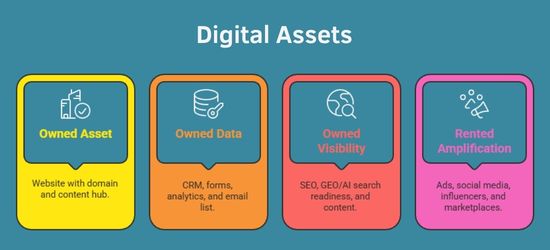
Owned Digital Assets vs Rented Digital Platforms
A healthy strategy usually includes both owned and rented channels, but they should not carry equal weight.
Examples of owned digital assets:
- your website
- your domain
- your email list
- your blog
- your resource pages
- your lead magnets
- your customer database
Examples of rented digital platforms:
- Facebook business pages
- Instagram accounts
- TikTok content
- LinkedIn profiles and company pages
- Google Business Profiles
- third-party directories
- online marketplaces
- ad platforms
The smartest strategy isn’t choosing one or the other. It’s using rented platforms to drive attention back to assets you own.
Signs Your Business May Be Too Dependent on Social Media or Other Rented Platforms
A lot of businesses do not realize they are overinvesting in rented visibility until they stop and evaluate where their time and energy are going.
Here are some common signs.
- Most of your visibility comes from one platform: If one platform is doing most of the work for your business, that creates risk. A single algorithm or policy change can have a major impact on your reach.
- Your website is not generating many leads: If your website is mostly sitting there instead of helping turn visitors into inquiries, calls, or email signups, your owned digital foundation may be too weak.
- You’re not actively building an email list: If you cannot reach your audience without depending on a social platform, you have less control over your future marketing.
- Most of your content disappears quickly: If the majority of your effort goes into short-lived posts and platform content, you may be staying busy without building much lasting value.
- You would feel stuck if a platform changed tomorrow
If losing access to Facebook, Instagram, your Google Business Profile, or paid ads would cause major disruption, that is a strong sign your business needs more owned assets.
Why a Website Still Matters in 2026
Many businesses are spending more time on social media than on their website, but your website is still one of the most important digital assets you can own.
A strong business website helps you:
- explain your services clearly
- build trust with potential customers
- show up in search results
- capture leads
- publish evergreen content
- support local SEO
- guide visitors toward action
Your website isn’t just an online placeholder. It’s digital property.
When your social media, Google visibility, blog content, and lead magnets all point back to your website, your business has a stronger home base online.
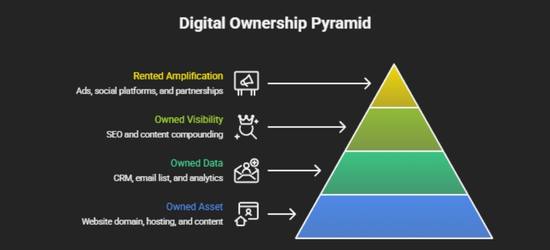
How to Build More Digital Equity for Your Business
If your business is too dependent on rented platforms, the good news is that you don’t have to fix everything at once.
Start by strengthening the areas you can build and control.
Strengthen your website
Make sure your website clearly explains what you do, who you help, and how to contact you. Add stronger calls to action and make lead generation a priority.
Build your email list
Create a reason for people to subscribe, such as a guide, checklist, resource, or offer. An email list gives you more direct access to your audience.
Create more evergreen content
Turn customer questions into blog posts, FAQs, landing pages, or downloadable resources that can continue working over time.
Use social media strategically
Let social media support your website, not replace it. Use posts, reels, and platform activity to drive traffic back to owned assets.
Diversify your visibility
Don’t rely on one single traffic source. Build a healthier mix that includes search, website content, lead capture, email marketing, and supporting visibility channels.
How to Tell if Your Business Is Building Digital Equity
A strong digital strategy usually includes these elements:
- a website on a domain you control
- content that lives on your own site
- clear lead capture opportunities
- an email list or audience you can reach directly
- multiple visibility sources
- a plan to reduce overdependence on any one platform
If your business has these pieces in place, you’re likely building more than attention. You’re building digital equity.
If not, it may be time to assess where your business is overinvesting and what needs to be strengthened next.
Digital Ownership for Small Business Growth
For small businesses, digital ownership isn’t just a marketing concept. It’s a stability strategy.
When your business builds owned digital assets, you’re creating:
- more control
- better long-term visibility
- stronger lead generation
- less dependence on outside platforms
- more valuable business infrastructure over time
That doesn’t mean rented platforms stop mattering. It means they should support your business, not hold too much power over it.
Start With a Digital Ownership Scorecard
If you’re not sure whether your business is building digital equity or relying too heavily on rented visibility, a simple self-check is a smart place to start.
That’s exactly why we created the Digital Ownership Scorecard + Action Plan.
It helps business owners:
- assess their current digital foundation
- compare owned assets vs rented platforms
- see where they may be overinvesting online
- identify what to strengthen next
Final Thoughts on Owned vs Rented Digital Marketing
Visibility is important, but visibility alone is not the same as ownership.
If your business is spending a lot of time building attention on platforms you don’t control, it may be time to ask a better question:
Is this effort helping me build something my business actually owns?
The strongest digital strategies do more than help a business get seen. They help a business build a stronger foundation, create more control, and grow digital assets that keep working long after a post disappears.
Want to see where your business stands?
Download the Digital Ownership Scorecard + Action Plan to find out whether your business is building real digital equity or relying too heavily on rented platforms.